






Exploring the World of Simulation Games: The Evolution and Appeal of a Unique Gaming Genre
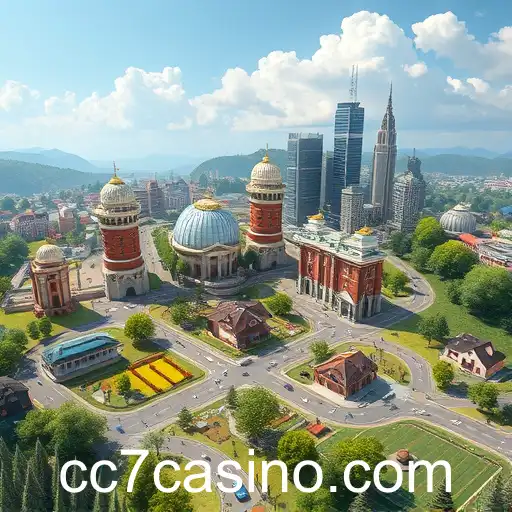
Simulation games have carved a unique niche in the gaming landscape, offering players experiences that range from piloting an aircraft to managing intricate virtual ecosystems. The genre, known for its immersive gameplay and attention to detail, allows gamers to step into virtually any role or environment imaginable.
The appeal of simulation games lies in their ability to mirror real-world processes and experiences. These games are designed to provide players with accurate and detailed representations of activities or scenarios, allowing for a realistic virtual experience. This realism is achieved through sophisticated algorithms and game mechanics that simulate everything from the laws of physics to complex economic systems.
One of the reasons for the enduring popularity of simulation games is their educational value. Many people turn to these games not just for entertainment, but for the opportunity to learn new skills and gain insights into fields they might be interested in. For instance, flight simulators have been used for pilot training, demonstrating their potential beyond mere recreation.
The genre has evolved significantly since its inception. Early simulation games, such as 'SimCity' and 'The Sims', focused on city-building and life-simulation, respectively. These games captured the imagination of players by allowing them to control and influence entire ecosystems and communities. Over time, advancements in technology have led to even more sophisticated simulations, such as 'Kerbal Space Program', which lets players explore space flight physics, and 'Farming Simulator', which offers an in-depth look at the agricultural industry.
In recent years, there has been a surge in the popularity of simulation games, thanks in part to the rise of streaming platforms like Twitch and YouTube, where players share their gaming experiences with a global audience. This has introduced simulation games to new demographics, expanding their reach and influence.
Moreover, the genre's appeal is also enhanced by the creative freedom it offers. Players can experiment with different strategies, make consequential decisions, and explore limitless possibilities within the game's framework. This sandbox nature of simulation games fosters creativity and critical thinking, making them a favorite among gamers who enjoy open-ended gameplay.
Looking ahead, the future of simulation games promises even more exciting developments as virtual reality (VR) and augmented reality (AR) technologies become more prevalent. These technologies will likely offer even more immersive and interactive experiences, further blurring the line between the virtual and real worlds.
In conclusion, simulation games have grown from simple digital pastimes into complex virtual experiences that captivate millions of players worldwide. Whether for education, entertainment, or a combination of both, they continue to offer engaging opportunities for exploration and discovery, cementing their place as one of the most beloved genres in gaming.
CC7: The Dynamic Gaming Hub of 2026

Exploring the evolution and impact of CC7 in the gaming industry of 2026.
2026-01-13
The Future of Online Gaming: Insights into cc7
An in-depth analysis of the rise of cc7 as a platform in the evolving world of online gaming.
2026-01-12
CC7: Revolutionizing Online Gameplay

An exploration of CC7's impact on the gaming world and its community engagement.
2026-01-11
The Evolution of Online Gaming Communities
Exploring the latest trends and developments in the world of online gaming communities, highlighting the impact of technological advances and community dynamics.
2026-01-09

 download apk/ios